From the Himalayas to Your Hands: Why Sikkim's Ancient Massage Traditions Are Winning Over American Wellness Fans
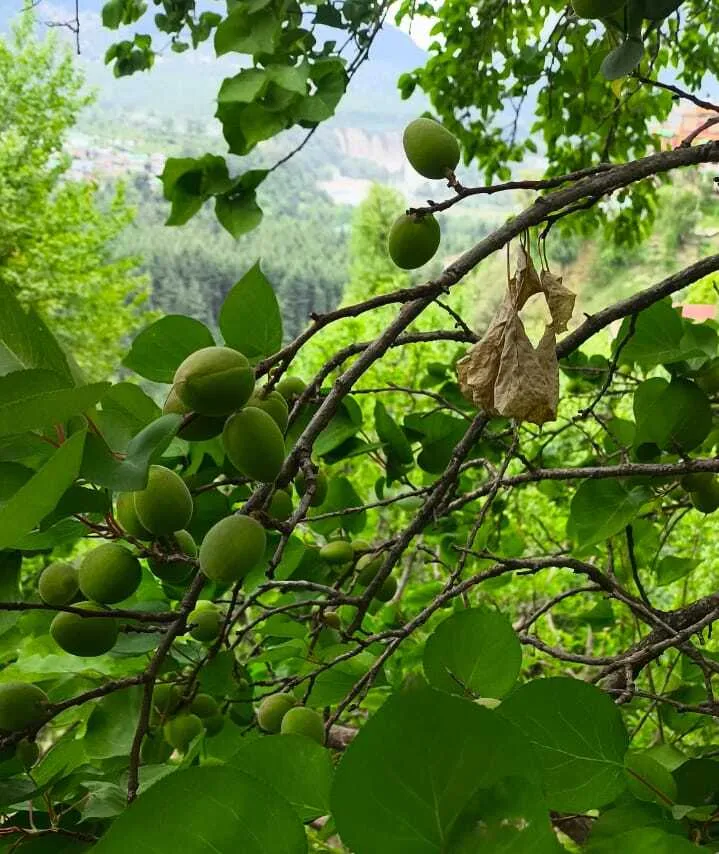
Photo: Rajani Gairshail, CC BY-SA 4.0, via Wikimedia Commons
Walk into most American day spas and you'll find a fairly predictable menu — Swedish, deep tissue, maybe a hot stone option if you're lucky. Nothing wrong with any of that. But a growing number of wellness enthusiasts across the US are starting to ask a different question: what did people do before all of this? And increasingly, the answer is leading them straight to a small, mountainous state nestled between Nepal, Tibet, and Bhutan — a place called Sikkim.
At Bikkima Wellness, we've made it our mission to shine a light on the healing traditions that come out of this extraordinary region. And the more we dig in, the more we understand why these practices are resonating so deeply with Americans who feel like mainstream spa culture just isn't cutting it anymore.
A Region With Roots Deeper Than Most Wellness Trends
Sikkim is home to three major indigenous healing traditions, each shaped by a distinct cultural community. The Tibetan Buddhist influence brought with it a sophisticated understanding of energy channels in the body — what practitioners call lung (wind), tripa (bile), and beken (phlegm). Tibetan massage, or Ku Nye, works along these pathways using warm oils and rhythmic pressure to restore balance between these forces. It's not just about sore muscles. It's a whole-body recalibration.
Then there's the Lepcha tradition. The Lepchas are Sikkim's original indigenous people, and their healing practices are deeply tied to the natural world — specifically, the dense forests and medicinal plant life that blanket the region's hillsides. Lepcha massage often incorporates plant-based compresses, herbal steam, and intuitive touch techniques passed down through generations of healers. There's a quiet, grounded quality to this approach that's hard to replicate with a bottle of generic massage oil.
Nepali therapeutic traditions round out the picture. Heavily influenced by Ayurveda, these practices focus on doshas — constitutional body types — and use specific strokes, marma point stimulation, and herbal preparations tailored to the individual. It's personalized in a way that feels almost radical compared to the one-size-fits-all approach of many Western spa menus.
What Makes These Techniques Scientifically Interesting
Okay, so ancient traditions are cool — but do they actually work? Researchers are starting to catch up with what Himalayan healers have known for a long time.
Studies on Ayurvedic massage practices (which share significant overlap with Sikkimese Nepali traditions) have shown measurable reductions in cortisol — the body's primary stress hormone — following sessions. Research published in journals like the Journal of Alternative and Complementary Medicine has highlighted how marma point therapy can influence the autonomic nervous system, shifting the body from a fight-or-flight state into genuine parasympathetic rest.
Ku Nye, the Tibetan technique, has drawn interest from researchers studying chronic pain management. Its slow, deliberate pressure along energy meridians appears to activate the same pain-modulating pathways targeted by acupuncture — without needles. For Americans dealing with everything from tension headaches to lower back pain, that's a genuinely appealing proposition.
And the Lepcha use of herbal compresses? That's getting attention too. The anti-inflammatory properties of many Himalayan plants — including varieties of ginger, turmeric, and high-altitude herbs not commonly found in Western markets — are well-documented in ethnobotanical research. When applied as warm compresses during massage, these plants deliver their benefits transdermally, directly through the skin.
Why American Wellness Seekers Are Paying Attention
There's a fatigue happening in the US wellness space. People are tired of buzzwords, tired of products that overpromise, and tired of spa experiences that feel more like assembly lines than actual healing. The appeal of Sikkimese traditions is partly about authenticity — these aren't wellness concepts invented by a marketing team. They evolved over centuries in response to real human needs in a real environment.
There's also something about the philosophy that resonates. Western massage tends to be symptom-focused: you have a knot in your shoulder, we'll work it out. Himalayan traditions take a longer view. They're interested in why that knot is there in the first place — what imbalances in your body, your lifestyle, or your energy field are contributing to it. That holistic framing feels genuinely different, and for many people, more satisfying.
Some Americans are pursuing this by traveling to Sikkim itself — the region has seen a notable uptick in wellness tourism from the West over the past several years. But you don't necessarily have to book a flight to Gangtok. A growing number of practitioners trained in these traditions have established themselves in US cities, particularly in places like New York, Los Angeles, Seattle, and Boulder, where interest in integrative health is already strong.
How to Find the Real Thing
Here's where we want to be honest with you: not every spa that slaps "Himalayan" on its menu is offering the genuine article. If you're looking for an authentic Sikkimese or Tibetan-influenced massage experience, there are a few things worth asking.
First, ask about the practitioner's training. Legitimate Ku Nye practitioners typically have formal study backgrounds rooted in Tibetan medical institutions or have trained under recognized lineage teachers. Ayurvedic therapists should ideally have credentials from accredited programs — look for affiliations with the National Ayurvedic Medical Association (NAMA) as a baseline.
Second, ask about the oils and materials being used. Authentic Himalayan massage traditions rely on specific herbal preparations. If a therapist can't tell you what's in their oil blend or where it comes from, that's a yellow flag.
Finally, trust your instincts about the consultation process. A practitioner rooted in these traditions will almost always want to understand your constitution, your health history, and your current state before they begin. If someone just points you to a room and tells you to undress, they may be offering a spa service — but probably not a traditional Himalayan healing experience.
The Bikkima Wellness Perspective
At Bikkima Wellness, we believe these traditions deserve more than a trend moment. They deserve genuine respect, careful representation, and accessible pathways for Americans who want to explore them. Whether you're dealing with chronic stress, physical pain, or just the low-grade exhaustion that seems to be everyone's baseline these days, Sikkim's healing heritage has something meaningful to offer.
The mountains have been holding these secrets for centuries. We're just here to help you find your way in.