High-Altitude Healing: The Rare Sikkim Botanicals Quietly Transforming How Americans Think About Massage Oils
Photo: Nainsukh, Public domain, via Wikimedia Commons
If you've spent any time browsing the wellness aisle at Whole Foods or scrolling through spa menus online, you know how crowded the herbal ingredient space has gotten. Ashwagandha is everywhere. Turmeric has basically become a personality type. CBD oil is on everything from bath salts to gummy bears. It can feel like every plant that ever had a health claim attached to it has already been commercialized to within an inch of its life.
So when we talk about Sikkim's botanical heritage in the context of therapeutic massage, we want to be clear: this isn't another wellness trend dressed up in exotic packaging. What's happening in this small northeastern Indian state is something more interesting — and more substantive — than that.
Why Sikkim's Biodiversity Is Actually Remarkable
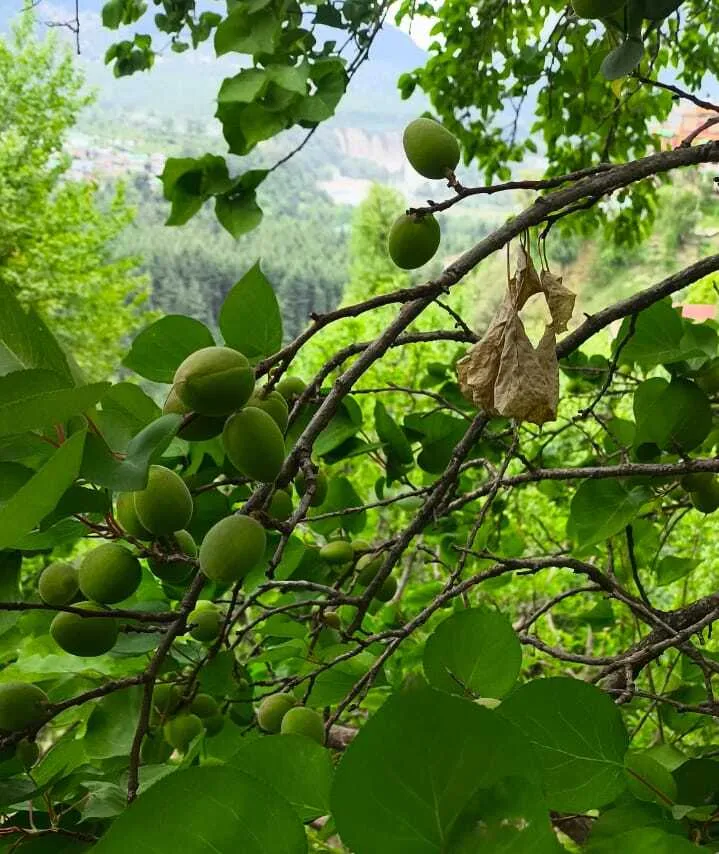
Sikkim is one of the most ecologically dense places on earth. The state spans a dramatic elevation range — from subtropical valleys around 300 meters to glaciated peaks above 8,000 meters — and that vertical diversity creates an almost unbelievable variety of microclimates. The result is a botanical library that includes over 4,000 species of flowering plants, more than 500 orchid varieties, and hundreds of medicinal herbs that have been cultivated and used by local healers for generations.
The Indian government has actually designated Sikkim as a fully organic state — the first in the country — meaning that the plants grown there are free from synthetic pesticides and fertilizers. For wellness consumers in the US who care deeply about clean sourcing, that's not a small thing.
Among the most therapeutically significant plants coming out of the region are high-altitude varieties of Rhododendron (used in anti-inflammatory preparations), Swertia chirayita (a bitter herb with well-documented liver-supportive and immune-modulating properties), Nardostachys jatamansi — commonly called spikenard — which has been used in Himalayan healing for stress relief and nervous system support for centuries, and several species of medicinal ginger and cardamom that form the backbone of many traditional massage oil blends.
The Science Is Starting to Catch Up
Here's where it gets genuinely interesting for the research-minded among us. A number of these Himalayan botanicals have been the subject of peer-reviewed scientific investigation, and the findings are holding up.
Swertia chirayita, for example, has been studied for its anti-inflammatory and antioxidant activity. Research published in journals including Phytomedicine and the Journal of Ethnopharmacology has identified several active compounds — including swertiamarin and amarogentin — that demonstrate measurable biological activity. When incorporated into massage oils and applied transdermally, these compounds may support localized anti-inflammatory effects, which is why traditional healers have long used preparations containing this herb for joint pain and muscle fatigue.
Spikenard (Nardostachys jatamansi) has attracted particular attention for its effects on the nervous system. Animal studies and early human research suggest anxiolytic — or anxiety-reducing — properties, likely mediated through interaction with GABA receptors in the brain. As an aromatic component in massage oils, it delivers these effects both through skin absorption and inhalation during the session. For clients dealing with chronic stress or anxiety, that dual-pathway delivery is worth taking seriously.
Rhododendron species native to high-altitude Sikkim have shown antioxidant activity in laboratory settings, and traditional formulations using these plants as topical preparations have been documented in ethnobotanical research as treatments for skin conditions and pain relief.
None of this is to say that massage oil is going to replace your doctor. But the dismissive attitude that treats traditional herbal medicine as purely placebo-driven is increasingly hard to defend when the compounds are being isolated and the mechanisms are being mapped.
What This Looks Like in Actual Massage Practice
In authentic Sikkimese and Himalayan therapeutic massage, oils aren't just lubricants. They're active participants in the treatment. Practitioners trained in Ayurvedic or Tibetan traditions typically select oils based on the client's constitution, the season, and the specific therapeutic goals of the session.
A warming oil blend for someone dealing with stiff joints and poor circulation might include sesame oil as a base — itself recognized in Ayurveda for its deeply penetrating qualities — infused with high-altitude ginger, long pepper (Pippali), and warming resins. A calming blend for someone presenting with anxiety and insomnia might lean on sesame or coconut as a carrier, with spikenard, sandalwood, and Brahmi (Bacopa monnieri) as the active botanical components.
The preparation process matters enormously. Traditionally, medicinal herbs are slow-cooked into the carrier oil over low heat for extended periods — sometimes days — to allow the active compounds to fully transfer. This is categorically different from simply adding a few drops of essential oil to a base at the end of a manufacturing process, which is how a lot of commercial "herbal" massage oils are actually made.
Navigating the American Market: What to Watch Out For
This is where we need to have a frank conversation, because the US wellness market has a genuine problem with authenticity when it comes to Himalayan and Ayurvedic products.
The demand for "natural" and "herbal" wellness products has created a massive incentive to slap evocative labels on products that have very little actual botanical content. Here's how to protect yourself as a consumer.
Check the ingredient list carefully. If a product claims to be a Himalayan herbal massage oil but the first several ingredients are synthetic fragrance compounds or generic carrier oils with no identified botanicals, you're probably looking at marketing rather than medicine.
Look for third-party testing. Reputable manufacturers of botanical wellness products — especially those selling into the US market — should be able to provide Certificates of Analysis (COAs) from independent labs. These documents verify the presence and concentration of active compounds and check for contaminants.
Ask about sourcing specifics. Authentic Sikkim-sourced botanicals should be traceable. Brands committed to genuine quality can typically tell you which region their herbs come from, how they're harvested, and whether they're certified organic. Sikkim's state-level organic certification is a meaningful signal when it appears on documentation.
Be skeptical of extreme price points in either direction. Genuinely wild-harvested or small-batch cultivated high-altitude herbs are not cheap to source. A $9 "Himalayan healing oil" is almost certainly not the real thing. But that doesn't mean you need to spend a fortune — just be appropriately skeptical when prices seem too good to be true.
Seek practitioners who can explain their materials. If you're receiving a massage that claims to use authentic Himalayan or Ayurvedic oils, your therapist should be able to explain what's in them and why those particular ingredients were chosen for your session. That knowledge is part of the practice.
Finding Authenticity Without Booking a Flight to Gangtok
The good news is that the growing interest in Himalayan healing traditions in the US has created a more robust ecosystem of authentic practitioners and suppliers than existed even five years ago. Ayurvedic wellness centers with genuine training lineages are present in most major American cities. A handful of small-batch importers are doing the work of sourcing legitimate Sikkim-origin botanicals and making them available to US consumers and practitioners.
At Bikkima Wellness, we're committed to helping you navigate that landscape — pointing toward the real thing and being honest when something doesn't measure up. The botanical heritage of Sikkim is genuinely extraordinary. It deserves better than being reduced to a label on a product that has nothing to do with it.
The mountains grew these plants. The healers refined their use. And now, with a little care and discernment, you can bring something authentic from that tradition into your own wellness practice — wherever in the US you happen to be.