Trek Hard, Recover Harder: Why Sikkim's Post-Trail Bodywork Is Becoming the Real Reason Americans Book Himalayan Trips
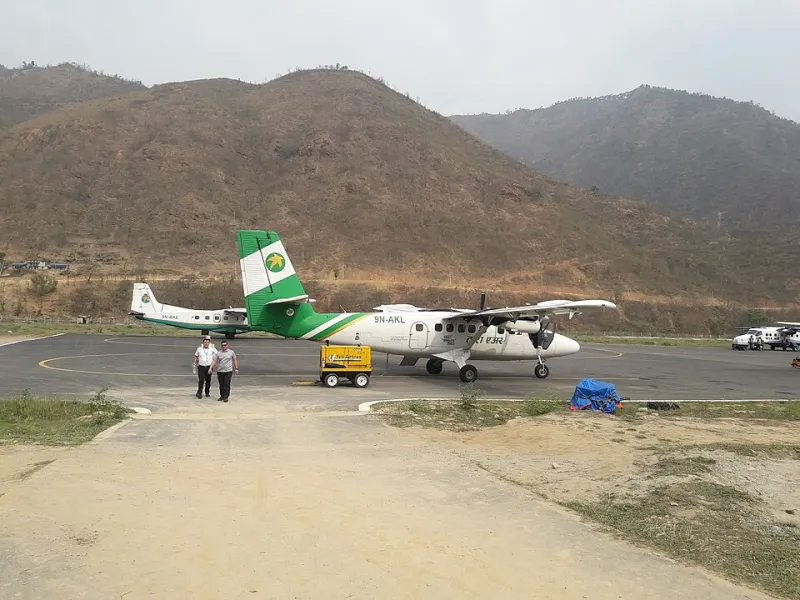
Photo: Himalayanasiatreks, CC BY-SA 4.0, via Wikimedia Commons
Picture this: you've just finished five days on the Goecha La trail. You stood within view of Kanchenjunga, the third-highest mountain on Earth. You ate your weight in momos. And now, back in Gangtok, you can barely lower yourself onto a toilet seat without making a sound like a wounded yak.
If you've done any serious trekking — in the Himalayas, the Andes, or even a brutal week in the Rockies — you know this feeling. The adventure travel industry is great at getting you up the mountain. What it's historically been terrible at is getting you back down.
Sikkim, it turns out, noticed that gap before most places did.
The Crash Is Real, and It Has a Shape
Trekking at altitude isn't just a leg workout. Above 10,000 feet, your body is quietly running a survival program: breathing faster, circulating more blood, expelling fluid in ways that leave your calves feeling stuffed into shoes two sizes too small. Add ten to fifteen miles of daily elevation change, a loaded pack, and terrain that punishes your ankles and knees with every step, and you arrive back at trailhead with a very specific cocktail of problems.
Trekkers report the same cluster: deep muscle exhaustion that ibuprofen barely dents, puffy hands and ankles, hips seized from the descent (downhill, not uphill, is what wrecks most people), and a kind of systemic depletion that makes even a comfortable hotel bed feel hostile.
American adventure travelers — a group that's grown enormously since pandemic-era trips to national parks spilled over into international expeditions — often come home carrying this crash for weeks. Then they discover that Sikkimese therapists had a protocol waiting for them the whole time.
Recovery Was Never an Afterthought Here
In Sikkim, bodywork traditions developed alongside the very lifestyles that produced trek-level fatigue: herders, porters, farmers, and monks moving across some of the steepest inhabited terrain on the planet. The massage culture that grew from that reality isn't decorative spa fluff. It's functional, and it's built around a sequence.
A typical post-trek session starts with the feet and works upward — not because it's trendy reflexology, but because swollen, overworked lower limbs are where the damage pools. Therapists use long, draining strokes toward the heart, combined with sustained pressure work on the calves and the fascia around the knees. Herbal oils, often infused with high-altitude botanicals like Himalayan juniper and locally gathered ginger family plants, are warmed and worked in to encourage circulation in tissue that's been cold and oxygen-starved for days.
Then comes the part most Western sports massage skips: a long, unhurried settling of the nervous system. Sikkimese practitioners tend to treat the crash as partly a circulatory problem and partly an exhaustion-of-the-whole-animal problem. The final stretch of a session is quiet, slow, and — to a jet-lagged, trail-wrecked American — unexpectedly emotional. People genuinely do fall asleep on the table. Nobody minds.
From One-Off Treatment to Trip Anchor
Here's the shift that should interest US travelers: Sikkim's recovery work is no longer a footnote at the end of a trekking package. A growing number of visitors structure entire itineraries around it — a few days of trekking, then a restorative stretch in Gangtok or Pelling with daily bodywork, herbal steam baths, and food built around recovery rather than fueling.
Think of it as the same logic behind why American cyclists fly to Girona or climbers base themselves in Boulder. The activity draws you in; the recovery ecosystem keeps you there. Sikkim's version just happens to come with rhododendron forests, monastery views, and some of the warmest hospitality in South Asia.
A Realistic Way to Build It Into Your Trip
If you're planning a Himalayan trek and want the recovery piece to work for you, a few practical notes:
- Book recovery days before you're wrecked. Schedule at least two low-exertion days after your trek ends, ideally with sessions on consecutive days. The second treatment, when the acute inflammation has settled, tends to be the one that unlocks everything.
- Tell your therapist the truth about your trail. Days, elevation, pack weight, where the pain concentrated. Sikkimese practitioners are diagnostically sharp and will tailor the session — heavier work on the quads after big descents, gentler drainage if your ankles are badly swollen.
- Don't skip the descent advice. Ask what locals do about downhill knees. You'll get answers involving technique, stride length, and possibly a topical herbal preparation you'll want to smuggle home in your carry-on.
- Hydrate like it's your job. Altitude dries tissue out, and massage works better in hydrated muscle. It's the least glamorous advice in wellness and also the most effective.
The Long Tail: Taking the Reset Home
The most devoted converts don't stop at one trip. A pattern is emerging among American trek veterans: they return to Sikkim not just for new trails but to return to a specific therapist, a specific oil, a specific room with a view of the hills. Their next expedition gets planned around the recovery, not the other way around.
There's something fitting about that. The mountains have always demanded everything from the people who climb them. Sikkim's answer has always been to give something back — one unhurried, herbal-scented hour at a time.
Your quads will thank you. Eventually.