Energy in Motion: What Sikkim's Chakra-Based Massage Traditions Can Teach American Wellness Seekers
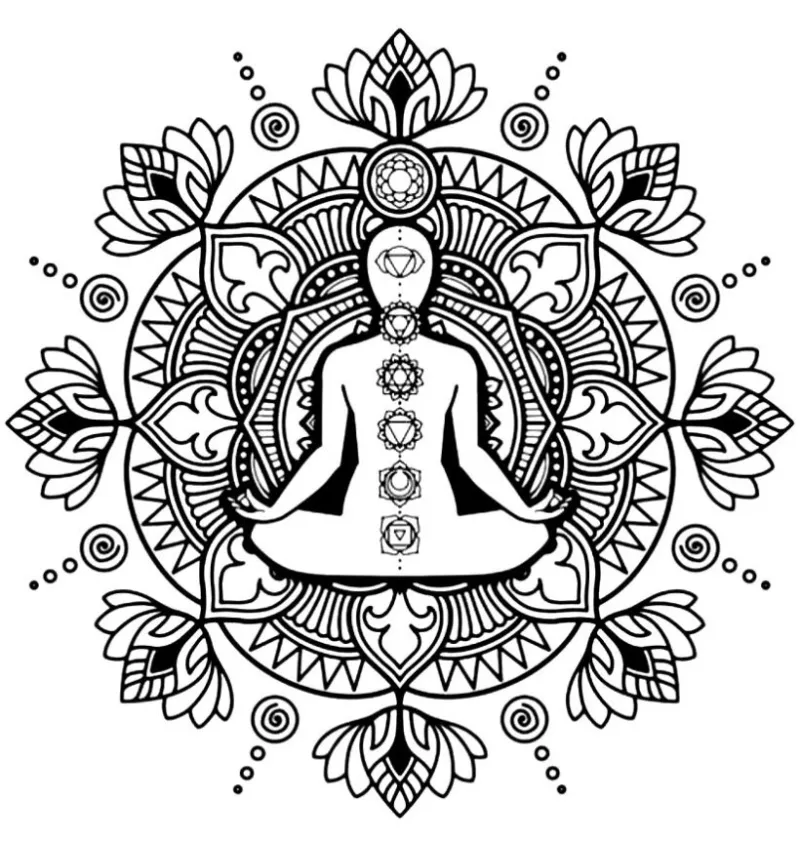
Photo: Mandalasheets, CC0, via Wikimedia Commons
Somewhere between the cloud-wrapped peaks of the eastern Himalayas and the prayer flags snapping in the mountain wind, a growing number of Americans are discovering something they couldn't find at their neighborhood spa. They're coming to Sikkim — and they're leaving changed.
The draw isn't just the scenery, though that certainly doesn't hurt. It's the massage therapy. Specifically, it's a style of bodywork rooted in chakra alignment, an energy-based framework that treats the physical body and the energetic body as inseparable. For many US clients, it's the first time a wellness experience has felt genuinely holistic rather than just relaxing.
What "Chakra-Based" Actually Means in Practice
If you've heard the word chakra thrown around in yoga studios or on wellness podcasts, you might have a vague sense of what it refers to — energy centers in the body, something to do with balance. But in Sikkim's traditional healing context, the concept runs much deeper than a buzzword.
Practitioners here work within a system influenced by both Tibetan Buddhist healing traditions and broader Himalayan folk medicine. The body is understood to have seven primary energy centers, from the base of the spine to the crown of the head, each associated with specific physical organs, emotional states, and spiritual qualities. When these centers fall out of alignment — through stress, illness, grief, or just the grind of modern life — the effects show up everywhere.
"In Western massage, the goal is often very physical," says Tenzin Wangchuk, a third-generation healer based outside Gangtok who has worked with international clients for over a decade. "Loosen the muscle, reduce the pain. That is good. But we are also asking: why is this muscle holding tension? What is the body trying to protect? The energy map gives us a language for that."
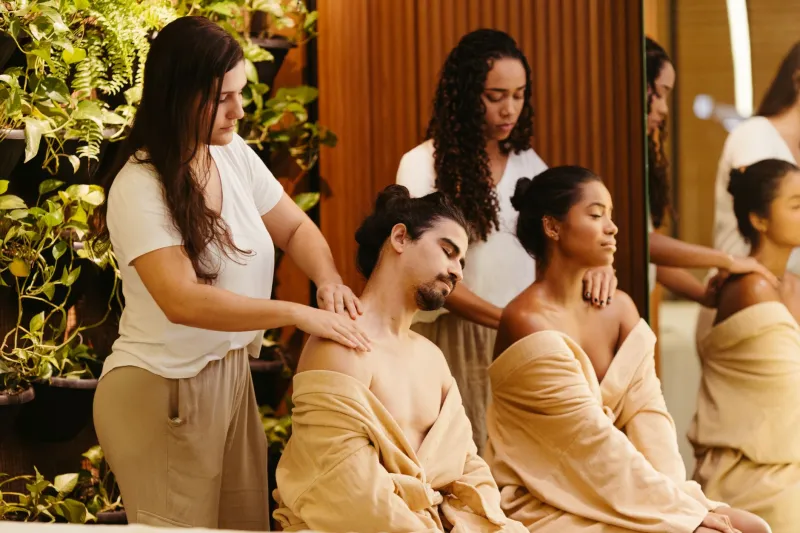
Treatments typically begin with an assessment — a practitioner may observe posture, ask questions about sleep, digestion, and emotional wellbeing, or use touch to sense areas of heat, coldness, or resistance along the body's energy pathways. From there, massage techniques are applied with intentionality that goes beyond pressure and stroke. Specific hand placements correspond to chakra locations. Herbal oils are chosen not just for their scent or texture but for their energetic properties. Breathwork and sometimes sound — bells, chanting, or singing bowls — may accompany the session.
Why This Resonates Differently Than Western Bodywork
American massage culture, broadly speaking, tends to be outcome-focused. You go in with a stiff neck, you leave with less stiffness. You're stressed, you get a Swedish massage, you feel calmer. That transactional model works fine for a lot of people. But a growing segment of US wellness consumers — particularly those who've been through therapy, chronic illness, or burnout — are looking for something more integrative.
"I'd had probably fifty massages in my life before I came to Sikkim," says Renata Delgado, a marketing director from Austin, Texas, who visited the region after a difficult year of personal loss. "They were all great. But this was the first time I cried on the table — not from pain, just from something releasing. The practitioner wasn't surprised at all. She just kept working."
That kind of response — emotional release during bodywork — is something Sikkim's practitioners are trained to hold space for. It's not considered unusual or alarming. It's considered part of the process.
For practitioners like Pema Lhamo, who runs a small healing center in the Ravangla area, the emotional dimension of bodywork is inseparable from the physical. "The body remembers things the mind has tried to forget," she explains. "When we work with energy, we are not just treating the surface. We are in conversation with the whole person."
Finding Authentic Chakra-Focused Practitioners in Sikkim
With wellness tourism growing across the region, it's worth being a little discerning when you're planning a trip. Not every spa advertising "chakra massage" is drawing from the same depth of tradition. Here are a few things to look for when seeking out authentic, skilled practitioners.
Ask about lineage and training. The most respected practitioners in Sikkim typically learned their craft through years of direct mentorship, often within a family or community tradition. Don't be shy about asking how someone came to this work and who they trained with.
Look for the intake process. A genuine chakra-based session shouldn't start on the table. Expect a conversation — about your health history, your stress levels, what you're hoping to address. If a practitioner skips this entirely, that's a signal.
Seek out smaller, community-rooted centers. Some of the most skilled healers in Sikkim operate out of modest settings that don't have a lot of Instagram presence. Word of mouth from other travelers or local guesthouses can be more reliable than online reviews.
Give yourself more than one session. Practitioners we spoke to consistently noted that a single session offers a glimpse, but the real shifts tend to emerge over two or three visits. If your schedule allows, build that in.
At Bikkima Wellness, we're committed to helping US readers connect with practitioners who represent the genuine depth of Sikkim's healing traditions — not just the aesthetic. The energy is real. The work is real. And for many Americans making the journey, the results are too.
The Bigger Picture
Chakra-based massage isn't going to replace physical therapy or mental health care, and no responsible practitioner in Sikkim will tell you it should. But as a complement to other wellness practices — or as a standalone experience of what it feels like to be treated as a whole person — it offers something genuinely distinct.
America's wellness industry is enormous and innovative, but it's also relatively young. Sikkim's healing traditions have been refined over centuries, shaped by a culture that never separated the health of the body from the health of the spirit. For seekers willing to make the journey, that depth is waiting.