Training at the Source: Why US Massage Therapists Are Heading to Sikkim to Level Up Their Practice
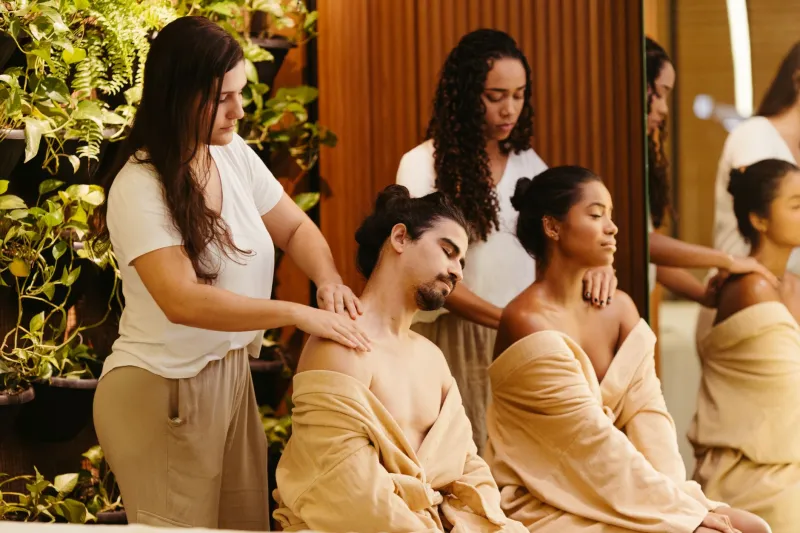
Jordan Reeves had already logged over 2,000 hours of massage therapy training by the time she booked her flight to Sikkim. She was licensed in Colorado, had a full client roster, and by most measures was doing great. But something kept nagging at her.
"I felt like I was working on bodies," she says, "but not really with people. I wanted more tools. I wanted to understand why certain techniques worked and what was actually happening beneath the surface — not just anatomically, but energetically."
She spent six weeks at a small apprenticeship program in the hills outside Namchi. She came home with a changed practice, a new relationship with herbal medicine, and a waiting list that had doubled.
Jordan's story is becoming less unusual. Across the US wellness industry, a growing cohort of massage therapists, bodyworkers, and wellness entrepreneurs are making Sikkim a professional destination — not just a vacation.
What Makes Sikkim's Training Model Different
Massage therapy education in the United States is largely standardized. Programs cover anatomy, physiology, Swedish technique, maybe some deep tissue and sports massage. Continuing education offerings have expanded in recent years, but the curriculum is still shaped by a biomedical framework. That's not a criticism — it's a foundation. But it leaves gaps.
Sikkim's apprenticeship model operates from an entirely different premise. Knowledge here has traditionally been passed down through direct transmission — a student works alongside a master practitioner, observing, assisting, and gradually taking on more responsibility over weeks or months. There are no PowerPoint slides. There's no standardized test at the end.
What there is: an immersive, relationship-based learning experience that teaches technique in context. You're not just learning a stroke; you're learning why it's applied at a particular moment, in a particular sequence, with a particular intention. You're learning to read a client's body in ways that Western training rarely addresses.
"We don't teach steps," explains Dorje Bhutia, who runs one of the more established apprenticeship programs in the Gangtok area and has worked with international students for nearly fifteen years. "We teach listening. The technique comes from understanding. If you only learn the technique, you will always be limited."
The Herbal Dimension: A Game-Changer for US Practitioners
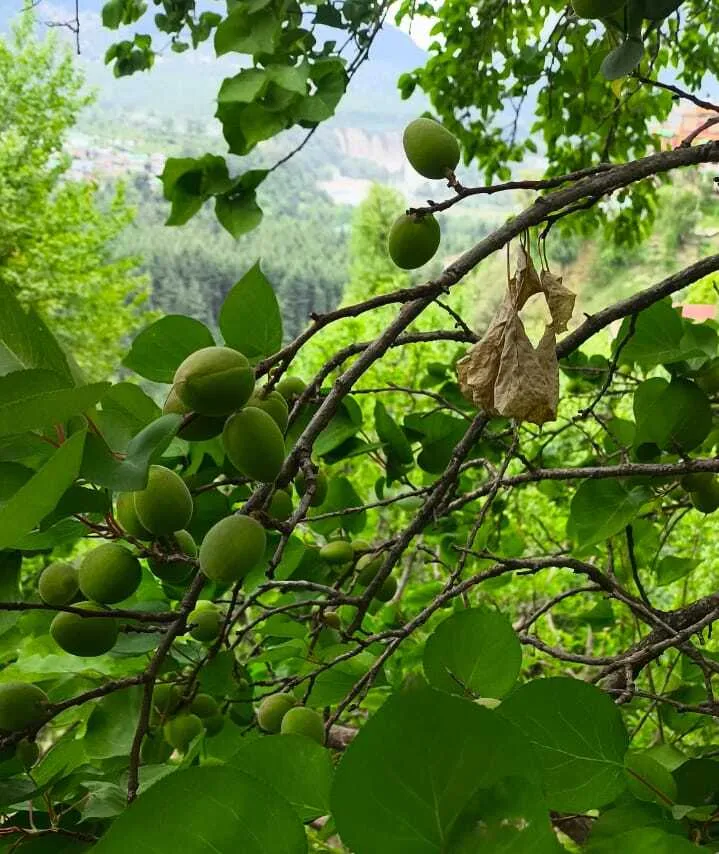
One aspect of Sikkim's training that consistently surprises American participants is the depth of botanical knowledge woven into the curriculum. Sikkim is one of the most biodiverse regions on Earth, and its healing traditions have always drawn heavily on local plant medicine.
In a typical apprenticeship, students don't just learn how to use pre-made herbal oils — they learn how those oils are prepared, which plants they come from, and how different botanicals interact with different body types and conditions. They may spend time in the field identifying plants, or in the preparation room learning extraction and blending methods that have been used in the region for generations.
For US practitioners, this opens up a dimension of practice that's difficult to access any other way. "I came back with a completely different understanding of the products I was using," says Marcus Obi, a licensed massage therapist from Atlanta who completed a four-week program last year. "I'd been using herbal oils for years without really knowing what I was putting on people's skin or why. Now I actually understand the medicine."
Many participants return home and begin incorporating Sikkim-influenced herbal preparations into their practice — sometimes sourcing ingredients directly, sometimes working with US-based suppliers who import Himalayan botanicals. The shift tends to deepen client relationships and, practitioners report, produce more consistent therapeutic results.
What the Programs Actually Look Like
Sikkim's apprenticeship offerings range from informal arrangements — a practitioner taking on a student they've connected with through personal referral — to more structured multi-week programs designed with international participants in mind. Here's a general sense of what to expect.
Duration: Most substantive programs run between three and eight weeks. Shorter intensives exist, but practitioners and past participants alike caution that less than three weeks doesn't leave enough time for real integration.
Daily structure: Expect mornings spent in observation or hands-on practice, afternoons for study, reflection, and sometimes herbal preparation work. Many programs include time for personal treatments, which serve both as rest and as a form of experiential learning.
Language: English proficiency among Sikkim's experienced practitioners varies. Some programs offer translation support; others are conducted primarily in English. It's worth clarifying this before you commit.
Cost: Significantly lower than comparable continuing education in the US, particularly when you factor in that many programs include accommodation and meals. Budget for the flight — that's typically the biggest expense.
Certification: This is where things get nuanced. Programs vary in what documentation they provide, and US licensing boards have different policies on how international training is credited. Check with your state board before you go if continuing education credits are a priority.
Is This Investment Right for You?
Not every massage therapist needs to travel to the Himalayas to deepen their practice. But if you're feeling stuck, curious about energy-based approaches, or simply hungry for a perspective that your existing training didn't offer — Sikkim is worth serious consideration.
The practitioners who've made this journey consistently describe it as a professional turning point. Not because they came home with a new set of techniques to sell, but because they came home thinking differently about what healing actually is.
"I don't practice the same way I did before," says Jordan Reeves. "I'm slower. I listen more. My clients notice, even the ones who have no idea where I went or what I learned."
At Bikkima Wellness, we believe the future of American massage therapy is richer when it's informed by traditions that have been quietly perfecting this craft for centuries. Sikkim isn't just a destination. For the right practitioner, it's a turning point.