Your Wellness Year, Remapped: How Sikkim's Healing Seasons Can Transform Your Self-Care Routine
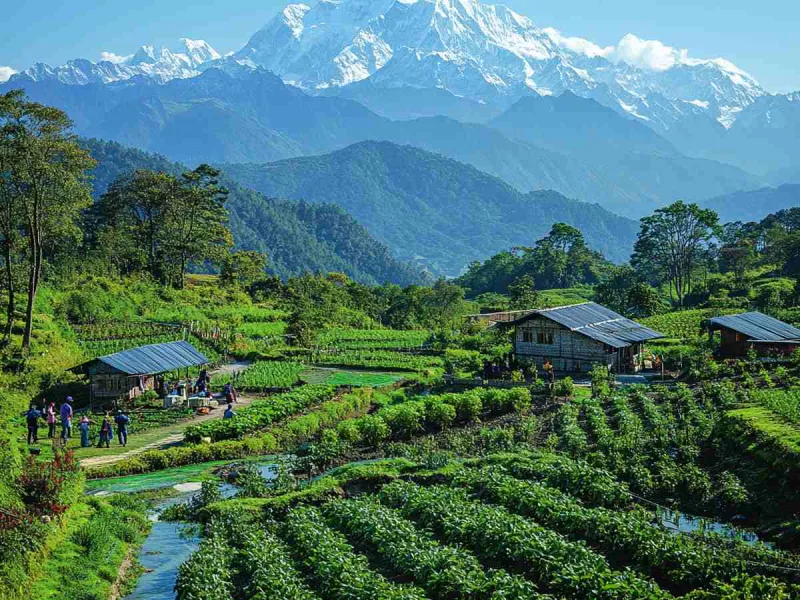
Photo: Sikkim Himalayan seasons wellness herbal botanicals spa treatment nature, via www.india.com
Most of us think about self-care in pretty reactive terms. Something hurts, we book a massage. We're stressed, we consider yoga. We feel run-down, we maybe add a supplement. It works, kind of. But traditional Sikkimese healing culture operates on a completely different premise: prevention and alignment, mapped across the entire year.
In Sikkim, wellness isn't a response to how you're feeling right now — it's a practice tuned to when you are in the year. The season, the altitude, the available botanicals, the energetic quality of the months — all of it shapes what treatments practitioners recommend and how they deliver them. It's a calendar-based approach to health that might sound exotic, but makes a lot of intuitive sense once you dig in.
Here's how Sikkim's healing year breaks down, and how you can use it — whether you're planning a trip to the Himalayas or just rethinking your monthly wellness routine from your couch in Cincinnati.
Spring (March–May): Clearing Out and Opening Up
In Sikkim, spring arrives with a dramatic shift. Snow retreats from the lower elevations, rhododendrons bloom across the hillsides, and the air takes on a freshness that practitioners describe as almost electrically clean. Traditionally, this is the season of detoxification — and not in the Instagram-cleanse sense of the word.
Ayurvedic tradition holds that winter causes the body to accumulate — heavier foods, denser energies, sluggish circulation. Spring is when that accumulation needs to move. Local practitioners typically emphasize lymphatic work during these months: long, flowing strokes that encourage drainage, combined with herbal preparations made from early-season botanicals like stinging nettle, dandelion-adjacent mountain greens, and Himalayan ginger.
For US readers, spring is an ideal time to book treatments focused on circulation and lymphatic support. If you're working with a local therapist, ask about dry brushing protocols or manual lymphatic drainage as a seasonal add-on. If you're planning a Sikkim visit, March through early May offers beautiful trekking weather alongside your spa programming — and practitioners are typically offering their spring detox protocols in full swing.
Remote option: Many Sikkim-based wellness centers now offer telehealth consultations with Ayurvedic practitioners who can build a spring protocol around supplements and self-massage techniques you can do at home.
Summer (June–August): The Monsoon Window and What It's Really Good For
Sikkim's monsoon season gets a bad reputation with tourists, and fair enough — it rains a lot. But local healers consider these months some of the most potent for certain types of therapeutic work. The humidity softens tissue in ways that are genuinely difficult to replicate artificially, and the lushness of the season means that fresh botanical ingredients are at peak availability.
Traditionally, summer in Sikkim is associated with heat-balancing therapies. Treatments using cooling herbs — including locally harvested varieties of brahmi and certain high-altitude mint species — are prioritized. Scalp and head massage becomes central, as these practices are believed to calm excess heat that accumulates during warmer months.
For Americans who can handle the rainfall (and honestly, the crowds thin out significantly, so prices drop too), June through August can be a genuinely rewarding time to visit. Those who'd rather stay stateside can lean into the seasonal philosophy by incorporating cooling botanical oils — look for brahmi, peppermint, or sandalwood-based products — into their summer massage routines.
This is also a strong season for stress-reduction focused work. The monsoon's rhythm has a naturally meditative quality that practitioners say makes clients more receptive to deeper nervous system work.
Autumn (September–November): The Sweet Spot
If you're looking for a single "best" time to experience Sikkim's wellness offerings, most practitioners — and most travelers — will point you here. Post-monsoon Sikkim is spectacular: clear skies, Himalayan peaks fully visible, temperatures that sit in that perfect range where you're comfortable but not sweating.
Autumn is considered a season of balance in traditional Himalayan healing calendars. The body, having moved through summer's heat and the monsoon's dampening effect, is ready to receive more integrative work. This is prime time for longer, more complex treatments — full-body Abhyanga (warm oil massage), multi-day panchakarma-adjacent protocols, and combination therapies that blend bodywork with herbal steam treatments.
Botanically, autumn harvest brings some of Sikkim's most prized wellness ingredients to their peak potency. Ashwagandha preparations, warming spice blends, and certain adaptogenic root extracts are traditionally prepared and used during these months.
For US-based readers planning a trip, aim for late September through October. Book accommodations early — this is peak season. For those staying home, autumn is an excellent time to invest in a series of massages rather than one-off sessions, and to incorporate adaptogenic supplements (consult your healthcare provider, of course) into your routine.
Winter (December–February): Going Deep and Going Still
Winter in Sikkim is cold, quiet, and — from a wellness perspective — deeply intentional. Traditional practice during these months shifts toward grounding and warming therapies. Heavy, nourishing oils replace lighter spring and summer preparations. Treatments slow down even further than usual, with an emphasis on the lower body — hips, legs, feet — which are considered the seat of the body's foundational energy in both Ayurvedic and Tibetan healing frameworks.
This is also when many Sikkim wellness centers offer their most immersive multi-day programs, since the pace of life slows naturally and practitioners have more time for extended, relationship-based care.
For Americans who can manage the cold (and Sikkim winters are genuinely cold at elevation), December through February offers a profoundly different experience than the tourist-season rush. For those at home, winter is the season to lean into warming therapies: hot stone massage, deep tissue work with warming oils like sesame or mustard, and foot-focused treatments that address the grounding work traditional Himalayan healers prioritize during these months.
Building Your Sikkim-Inspired Wellness Year
You don't have to visit Sikkim — or even know exactly where it is on a map — to let its seasonal wisdom shape how you approach your own health throughout the year. The core principle is simple: your body isn't the same in February as it is in July, and your wellness routine probably shouldn't be either.
Start by auditing what you're currently doing and when. Are you booking the same massage style year-round? Using the same products in January as in August? Treating self-care as a fixed habit rather than a responsive practice?
Sikkim's traditional healers would gently suggest a different approach. Pay attention to the season. Notice what your body is asking for. Adjust accordingly. And if you ever get the chance to experience these traditions at their source — in the hills and valleys where they've been practiced for centuries — take it.
The calendar will never look quite the same.