Where Three Traditions Meet: Inside Sikkim's Multilingual Approach to Whole-Body Healing
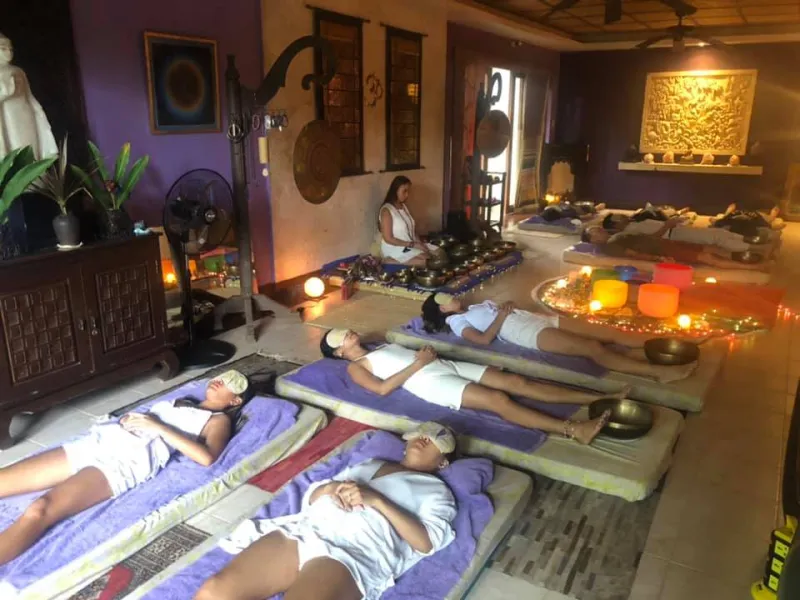
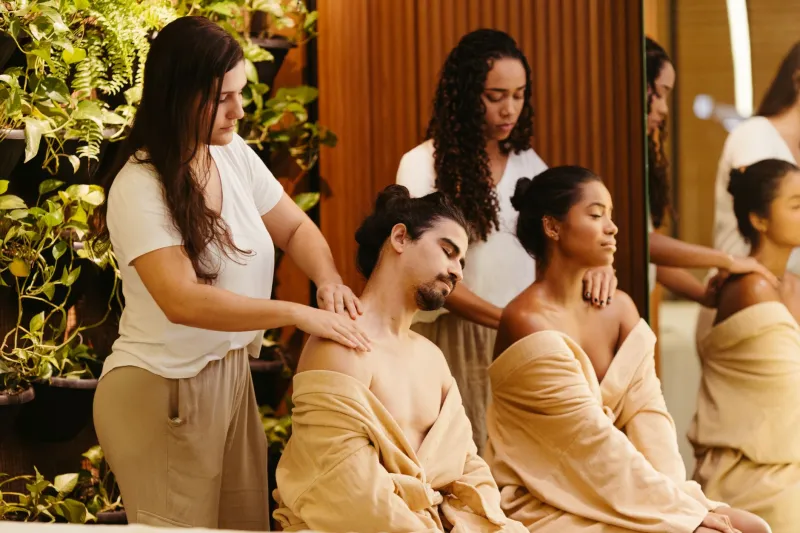
Photo: multicultural healing spa Himalayan botanicals Tibetan Ayurvedic wellness, via tirtaspa.com
Imagine walking into a wellness center where the practitioner behind the reception desk switches fluently between Nepali and Tibetan, the treatment menu draws from both Ayurvedic medicine and Swedish clinical massage, and the herbal oils on the shelf were sourced from elevations that most Americans will never set foot on. That's not a fantasy spa concept — that's a fairly ordinary Tuesday in Gangtok, Sikkim's capital.
Sikkim is a genuinely unusual place. Geographically small but culturally enormous, it sits at the intersection of Tibetan Buddhist, Hindu Nepali, and indigenous Lepcha traditions — and that cultural layering shows up in its healing practices in ways that are both fascinating and practically instructive for anyone navigating the sometimes fractious world of modern wellness.
A Place Where Languages and Lineages Overlap
To understand why Sikkim's wellness culture is so distinctive, you have to appreciate the linguistic reality on the ground. Sikkimese people routinely speak three, four, or even five languages — Nepali, Tibetan, Sikkimese, Hindi, and English are all commonly used, often within a single conversation. That multilingualism isn't just a social quirk. It reflects a deep cultural habit of holding multiple frameworks simultaneously without feeling the need to collapse them into one.
That same habit shows up in how local healers think about the body.
A Tibetan-influenced practitioner in Sikkim might describe tension in the upper back in terms of wind energy (rlung in Tibetan medicine) disrupting the flow between body and mind. An Ayurvedically trained practitioner in the next neighborhood might describe the same presentation as excess Vata accumulating in the nervous system. A clinically trained therapist working in one of Sikkim's newer wellness facilities might frame it as chronic trapezius hypertonicity from sustained screen use.
Here's the thing: none of these practitioners would necessarily argue the others are wrong. They'd just be speaking different languages about the same phenomenon — and in Sikkim, the cultural fluency exists to recognize that.
What Tibetan Medicine Brings to the Table
Tibetan therapeutic massage, known as Ku Nye, is one of the older formal bodywork systems practiced in Sikkim. It works with a map of the body built around channels (tsa), energy centers, and the concept of three humors — wind, bile, and phlegm — that govern physical and emotional health.
Ku Nye sessions typically involve warm medicinal butter or herbal oil, applied with specific hand movements designed to stimulate particular channels. The pace is deliberate, almost meditative. Practitioners trained in this lineage often spend years learning the channel system before they ever begin working on clients.
For American wellness seekers more familiar with Swedish or deep tissue work, Ku Nye can feel profoundly different — less focused on muscle groups as isolated structures, more interested in the pattern of tension across the whole body. People often describe coming out of a session feeling reorganized rather than just relaxed.
Ayurveda's Contribution: Plants, Timing, and the Whole Person
Ayurveda arrived in Sikkim through the large Nepali Hindu population that has shaped the state's culture for centuries. Its influence on local massage practice is substantial — particularly in the emphasis on botanical oils, constitutional assessment, and the idea that effective treatment requires understanding the whole person, not just the presenting complaint.
In Sikkim's Ayurvedic-influenced practices, the pre-massage consultation isn't a formality. A practitioner might ask about your sleep quality, digestive patterns, and emotional state before deciding which oil blend to use or which techniques to emphasize. That level of intake is still relatively rare in mainstream American spa culture, where the focus tends to be on the physical complaint in front of you.
The botanical dimension of Ayurvedic practice also gets a significant local upgrade in Sikkim. The state's biodiversity — it hosts thousands of plant species across dramatic elevation ranges — means that practitioners have access to herbs and roots that simply aren't available elsewhere. Himalayan nettle, rhododendron extract, and high-altitude ginger varieties show up in local formulations in ways that produce noticeably different effects than their lower-altitude counterparts.
Modern Clinical Practice: Not the Enemy
It would be easy to frame this as a story about ancient wisdom versus modern medicine, but Sikkim's wellness culture doesn't really operate that way. Younger practitioners who've trained in contemporary clinical massage — including techniques with solid Western research behind them, like myofascial release and trigger point therapy — tend to integrate rather than replace traditional approaches.
What emerges is something genuinely interesting: a clinical framework that borrows the diagnostic precision of modern bodywork science while retaining the whole-person orientation of traditional systems. A practitioner might use trigger point pressure to address a specific knot in the rhomboid, then follow with Ku Nye-influenced strokes to address the broader energetic pattern they believe contributed to it. The result isn't confusion — it's layered care.
What American Practitioners Can Actually Take From This
The honest answer is: probably not the specific techniques, at least not without proper training. Ku Nye in particular is a complex system that takes years to learn well, and surface-level borrowing doesn't serve anyone.
But the orientation — the willingness to hold multiple frameworks without needing to declare a winner — is something American practitioners can absolutely cultivate. The East-West wellness divide in the US is often more cultural and marketing-driven than it is philosophical. Clients who seek out Reiki or acupuncture aren't necessarily rejecting clinical care; they're often looking for the whole-person attentiveness that traditional systems tend to offer. And clients who want clinical precision aren't dismissing energetic approaches — they just want evidence alongside experience.
Sikkim's multilingual healers have figured out how to speak both languages fluently. For American wellness culture, still somewhat stuck in its either/or habits, that's a model worth paying attention to.
Bikkima Wellness is your guide to the healing traditions of Sikkim — from ancient Tibetan bodywork to Himalayan botanical therapies. Explore our full directory at bbikkimassage.com.