Wet Season Wisdom: What Sikkim's Monsoon Months Reveal About Smarter Massage Scheduling

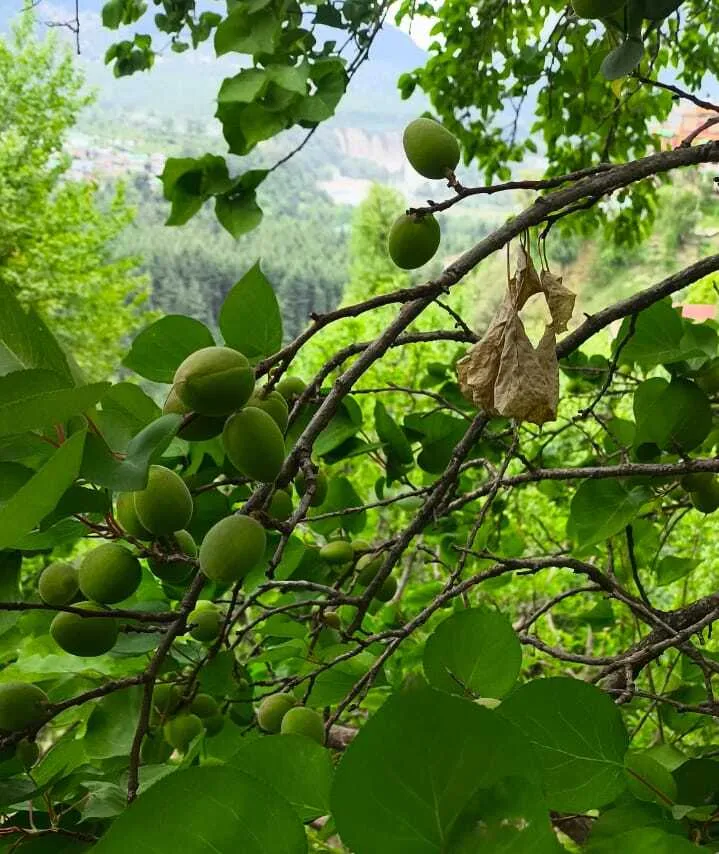
Photo: Shiv's fotografia, CC BY-SA 4.0, via Wikimedia Commons
Most of us in the US think about massage scheduling in pretty simple terms — when's my next day off, how tight is my budget, and can I snag a Saturday afternoon slot. What we rarely consider is when in the natural year our body is most ready to receive therapeutic work. In Sikkim, a small Himalayan state tucked between Nepal and Bhutan, that question has been central to healing practice for generations.
The monsoon season, which rolls in heavy and relentless from roughly June through September, doesn't just change the landscape. It changes the body. And Sikkim's traditional massage practitioners have built entire therapeutic frameworks around that reality.
What the Monsoon Actually Does to the Human Body
Before we get into the massage side of things, it helps to understand what prolonged humidity and rain actually do physiologically. When the air is saturated with moisture for weeks on end, the body's ability to regulate temperature shifts. Joints tend to feel stiffer. Circulation in the extremities can slow slightly. The lymphatic system, which relies partly on muscular movement and environmental pressure changes, can feel sluggish in ways that don't show up as obvious symptoms — just a general heaviness or fatigue that a lot of people chalk up to the weather being gloomy.
In Ayurvedic terms, which form one layer of Sikkim's wellness philosophy, the monsoon season is associated with an increase in Vata dosha — the air-and-space energy that governs movement and the nervous system. When Vata spikes, people tend to experience anxiety, dryness beneath the surface humidity, irregular digestion, and joint discomfort. That might sound counterintuitive given how wet everything is, but Ayurvedic practitioners make a distinction between external moisture and internal dryness — and the monsoon, paradoxically, can trigger both.
How Sikkim's Healers Respond
Practitioners in Sikkim don't treat the monsoon like an inconvenience to work around. They treat it like a clinical variable to work with. Here's what that looks like in practice:
Heavier, warming oils take center stage. During drier seasons, lighter botanical oils are common. When the monsoon hits, many Sikkimese healers shift toward richer carriers — sesame-based blends, infused with warming herbs like ginger root or Himalayan black pepper. The goal is to counteract the internal cooling and dampness that the season encourages, grounding the nervous system and lubricating joints that have tightened from the humidity.
Massage pressure and rhythm change. Lighter effleurage strokes give way to deeper, more rhythmic techniques during the wet months. The logic is partly physical — muscles that have been contracting against cold, damp air need more sustained pressure to release — and partly energetic. Slow, deliberate strokes are thought to anchor scattered Vata energy, helping clients feel settled rather than stimulated.
Session timing shifts toward midday. In Sikkim's monsoon climate, mornings are often foggy and cool, and evenings can bring fresh downpours. Midday, when temperatures briefly stabilize, is considered the optimal window for therapeutic massage. The body is most receptive to deep tissue work when it isn't fighting temperature extremes — a principle that translates pretty directly to temperate climates in the US, too.
Herbal steam and compress work increases. Many traditional practitioners incorporate warm herbal compresses during monsoon months, using bundles of locally harvested botanicals — lemongrass, camphor leaves, turmeric root — heated and applied to the back, shoulders, and lower limbs before manual work begins. This pre-treatment softens tissue, opens pores, and delivers botanical compounds transdermally, making the massage itself significantly more effective.
Why This Matters If You've Never Left the Continental US
Okay, so Sikkim's monsoon is a world away from most American daily life. But the underlying principle — that your body's needs shift with the seasons, and your massage routine should shift with them — is 100% applicable wherever you live.
Think about it: most Americans treat massage as a reactive tool. Something hurts, so you book a session. You're stressed, so you finally make that appointment you've been putting off for three months. But what if you approached it more proactively, the way Sikkim's healers do, by reading seasonal cues and adjusting accordingly?
In late summer and early fall, when humidity is still high in much of the South and Midwest, consider requesting deeper pressure work and warming oil blends from your therapist. Ask about herbal compress add-ons — more US spas are offering these than you might think.
In winter, when dry indoor heat and cold outdoor air create that same Vata-spiking dryness that Sikkimese practitioners watch for, prioritize full-body oil massage over spot treatments. Your joints and nervous system will thank you.
In spring, as the body naturally moves toward lighter, more active energy, you might find that circulation-focused techniques — lymphatic drainage, lighter Swedish work — feel more aligned with where your body actually is.
The Bigger Takeaway
What Sikkim's monsoon traditions really teach us is that the body isn't static. It's in constant conversation with its environment, and the most effective therapeutic work happens when a practitioner — or you, as someone managing your own wellness — pays attention to that conversation.
American wellness culture has gotten pretty good at personalization: custom blends, targeted treatments, individualized fitness plans. Where we still lag is in seasonal personalization. We book massages the same way year-round, with the same techniques and the same expectations, regardless of what the weather, the calendar, or our bodies are actually telling us.
Sikkim's healers have been reading those signals for centuries. The monsoon didn't slow them down — it made them more precise. And that kind of precision is available to all of us, no Himalayan passport required.
Curious about seasonal wellness adjustments or traditional Himalayan therapeutic techniques? Explore more at Bikkima Wellness — your guide to Sikkim's healing traditions.